









Click here to listen to the Audio version of this story!
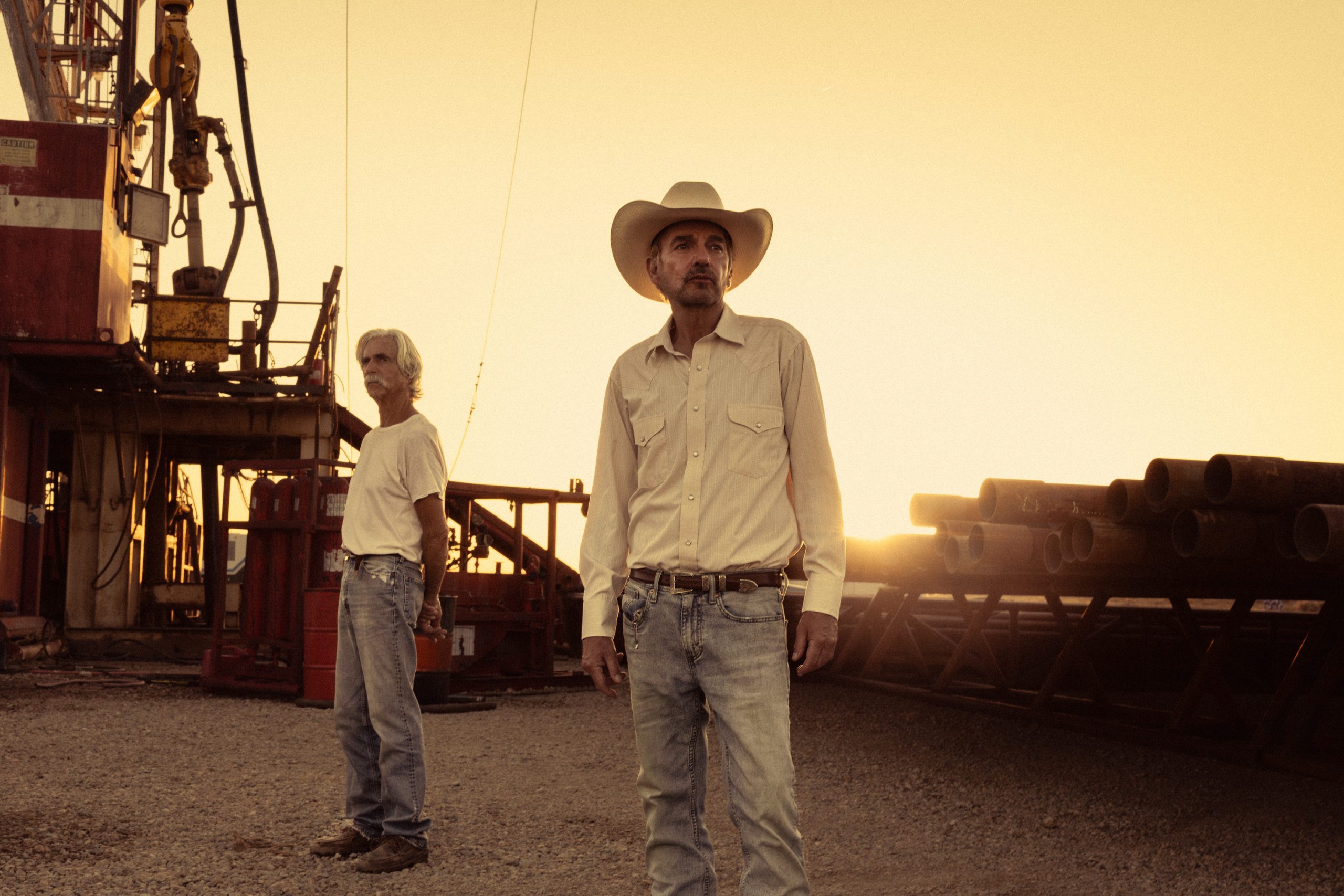
The Father-and-son duo of T.L Norris (Sam Elliott, in the background) and Tommy Norris (Billy Bob Thornton) steadily (if unconsciously) repair their estranged relationship in Season 2 of Landman. Photo Credit: Emerson Miller/Paramount+
Reader, your working world and your daily doings are the most exciting stuff anyone in the country has ever seen. At least that’s what the streaming series Landman has proven, if viewer ratings have anything to say about it.
And while you might not exactly say that Landman reflects your actual life, it nonetheless remains that the series does make some effort to ground itself in the working realities of the Permian Basin. If someone were to edit out the show’s over-the-top drama and tone down the show’s lifestyle excesses, what’s left is reasonably Permian-faithful.
And that says a lot. Because this show’s fidelity to the Basin—where such fidelity exists—is altering the world’s perception of the Permian Basin, and for the better. Now, not better in the sense of reflecting the generally good character of the people of our region—because the characters on Landman are oh-so-very-far from the generally wholesome, decent, decorous, sane people of the Basin—but better in the sense of correcting a colossal and longstanding bias against the Permian’s industry and its rightfully worthy standing in the world.
Here’s what we know with Season 2 in the books:

Calling the series a “bombshell,” the website TVinsider.com says: “Landman is drilled in for the long haul now. Ratings figures for Season 2’s finale, which premiered Jan. 18, show that the Taylor Sheridan-produced oil drama is more popular than ever. As detailed by TheWrap.com, the season’s closer notched 14.8 million worldwide views in just two days, which is a 70 percent increase from the Season 1 finale. Aside from the finale, the first nine episodes of the second season averaged 14.9 million global views, or a 58 percent jump from Season 1 numbers. In December, Paramount+ announced an early renewal of the series for Season 3.”
Reaction of Landman is hot and cold, with (apparently) hot trumping cold. While skimming pages’ worth of viewer comments online on the website Reddit.com, I found this synopsis about Season 2:

Three of the main figures converse in the Fort Worth headquarters of M-Tex Oil. Seen here from left are attorney Rebecca Falcone (Kayla Wallace), “landman” Tommy Norris (Thornton), and company owner Cami Miller (Demi Moore). Photo Credit: Emerson Miller/Paramount+
“Season 2 in a nutshell: Tommy gets yelled at by Angela, drives his truck, smokes, and has phone calls that bring misery. Cooper simps hard for Ariana and needs a bath and a new hat. Angela ruins another dinner just like Beth Dutton [a character in the Yellowstone drama]. Acts out her sexuality in every scene. Ainsley acts like the stereotypical dumb blonde. Hates Cooper. Rebecca acts like the ultimate Boss Bitch who’s so uptight her face would break if she actually smiled. Ariana gives Cooper yet another challenge and punishment for not adhering to another unwritten rule he should just have known. Dale just wanting a meal without chaos. Nate/Neil tries to do the right thing but Tommy doesn’t care. He wishes everyone would just go away and he could have some peace. T.L. being grumpy, depressed, and angry. The Patch is the only restaurant in the Permian Basin.”
While it’s hard to dismiss anything shared there as inaccurate, I’ve got to say, in defense of the show, that Season 2 brought some fine moments, regardless. And the show keeps developing its characters and building sympathies for them. Tommy, played by Billy Bob Thornton, is hands down the strongest and most popular character in the series. Angela, though she appeared to be viewers’ least favorite character in Season 1, has been toned down enough to be endurable. Ainsley has been given some fine moments and now seems more like a real person and less like a caricature. As for Rebecca (Demi Moore), I get the feeling she might be getting written out of the series (for unpopularity?), though that’s just a hunch. Cooper and Ariana—this pair grates on a lot of people’s nerves but they are the Young Love element so… there’s that. Nate and Dale are dudes most of us can relate to on some level—they are part of the show’s glue. T.L. (Sam Elliott’s character) gets all the best lines and seems headed for bigger things in this show.
But all of that is just fluff, where the actual Permian Basin in concerned. Here is where this show matters to all of us. To make my point, I must start by borrowing something PBPA Chairman Jeff Sparks said in his column (p. 6) in this issue. His topic is the undeserved bad rep that culture has affixed to our world.
“The Texas Education Agency has started the slow but necessary work of improving how oil and gas are represented in public school textbooks. This process is challenging, and progress can feel incremental, but it matters.” Then, a bit later, he says this: “If we want the next generation to see energy as a place to build meaningful careers, we must engage now—by supporting better education, better curriculum, and honest conversations about the role oil and gas play in powering society.”
We know this to be true. Many educational systems have institutionalized their campaign against oil and gas. The media has demonized us. Where they haven’t demonized us, they have ghosted us—we are either shown in a bad light or we are not shown at all. Where mainstream media is concerned, it’s as though O&G doesn’t exist, when it is not being pilloried.
But the series Landman can change that, and seems to be doing so.
Landman is making it harder and harder for educators, reporters, and influencers to paint the O&G industry as evil, rapacious, reckless, and irresponsible. Yes, it will be good if the Texas Education Agency gets some traction in our schools and roots out some of the propaganda smearing O&G. But such turnarounds, if they occur, come from data and objectivity. That’s all well and good, but the public that fears us or hates us does so out of emotion and trained, propagandized habit—not out of respect for contrary claims, however substantiated they might be. To sway these people—and that’s most of our opposition—takes emotional appeals and world-building. Those are things that arts and culture do better than science and logic.
Landman does the one thing that all of the rest of our messaging apparatus does not. It reaches the people we have not reached, and does so on a level that has a chance to resonate with them. That’s why your fascinating daily life is going to be the salvation of us all—because your doings will be seen and appreciated like never before, by people who never before knew you.
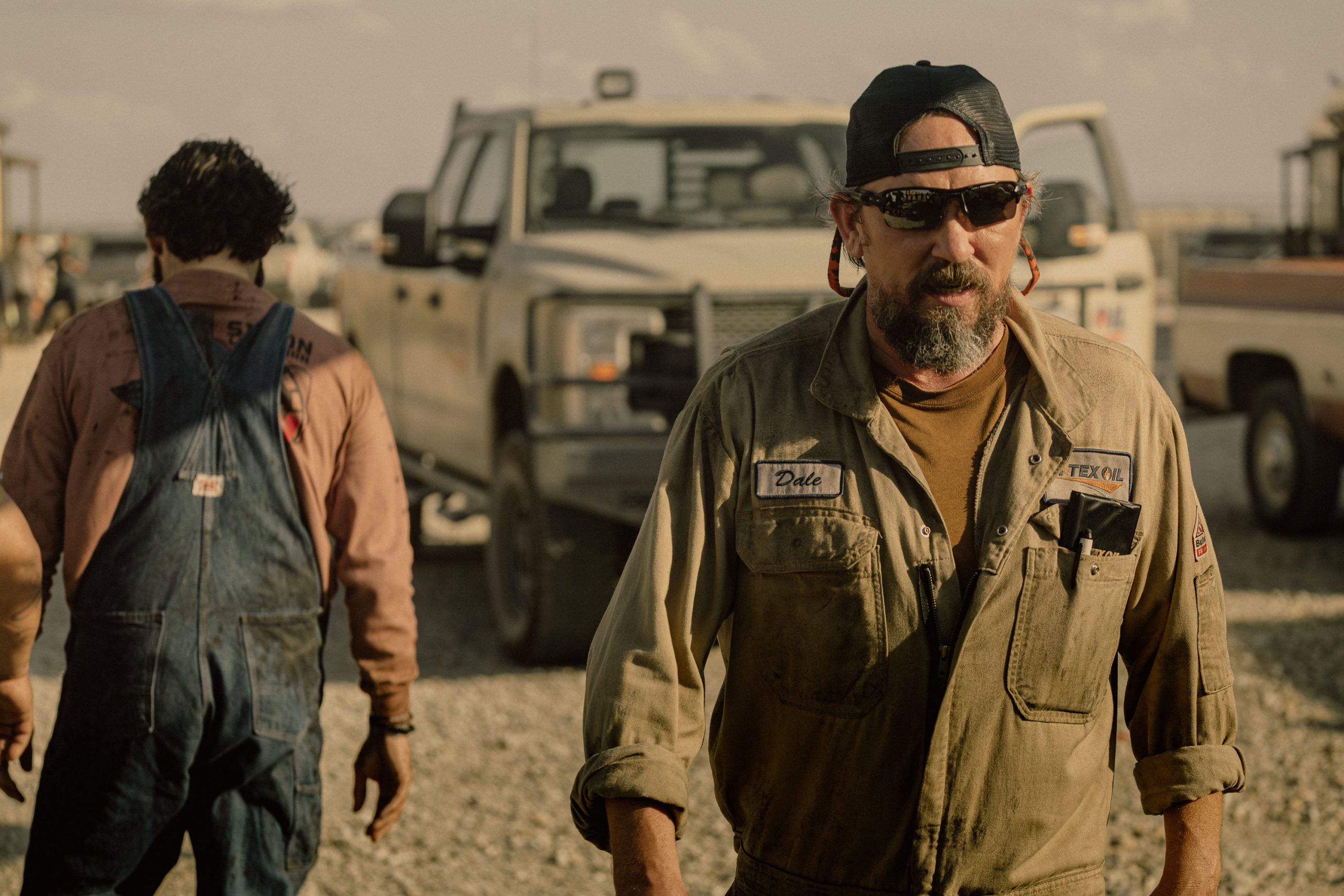
James Jordan plays Dale Bradley. Photo Credit: Emerson Miller/Paramount+

Jesse Mullins, Editor
Jesse Mullins is editor of Permian Basin Oil and Gas.