A few months back, I alluded to the fact of how long I’ve been writing the safety column for PBOG magazine. I thought I started writing the column 2020, yet it turns out to be since July of 2019. I have realized that it is a difficult task to stay fresh, even for someone like me who has been in Safety for so long. It is always challenging to stay on top of new research and develop new ways to make the material fresh, interesting, pertinent, and engaging to the recipients.

How some people feel time passes in a Safety meeting.
When I was in Operations I could count on gaining an extra hour of sleep during the safety meeting. The meetings were required. Yet actually paying attention? Not so much.
Times have changed, to some extent. The younger safety professionals are more in tune, better trained, and usually excited about the topics. And they do have the technical savvy to make it entertaining. (Well-placed humor helps.) Of course it varies from company to company, but overall, I am confident that the new generation is in tune with the industry’s needs to ensure that safety is a priority.
Safety is not much different than Operations. In fact, they both require similar traits, such as organizational skills, communication skills, written skills, and a certain amount of détente and finesse, especially in these days and times.

The old saying that “We all wear masks, metaphorically speaking,” still applies. Society requires that we exude understanding, and genuine care about the welfare of all employees, yet the task also requires timing as to when to apply authority, when unsafe acts are committed. During such times the job requires dignity and aplomb while standing your ground.
Having been in Operations as well, foreign and domestic, I recognize that the requirements for effectiveness remain the same. It’s just a matter of different roles and scenarios. Both functions—Operations and Safety—require equal emphasis. Operations require efficiency and job knowledge, as does Safety. Safety personnel must know the business and the business needs to know about safety. Each position contributes to the bottom line, when done effectively. Maximum efficiency produces maximum profitability.
It is a given that most progressive companies are aware of these facts. The hardest part is taking what we understand to be true and applying it to everyday operations. The largest issue is proving how zero accidents magically appear. There is a tendency for the business side to expect perfection yet remain reluctant and reticent to fund the necessary personnel, tools, and/or expenses to make it happen. When operations say, “Safety First,” they usually mean Safety is the first place where expenses are cut. You may laugh, but you know it’s true. A 5 or 10 percent cut affects a safety budget more than an operations budget. It’s the old adage—show me your checkbook and I will show you their priorities.
This is a culmination of my findings with 53 years in the oilfield business, in Operations and Safety. I am intrigued with Operations when they tell me that I am not familiar with the business side of the oilfield. I have done both foreign and domestic in both capacities.
Sure, there are safety professionals without experience in Operations. Thank goodness. They have no experience of the battles operations face, yet they are solely focused on safety. Operations have numerous things to contend with. That is why we have specializations—e.g., human resource professionals, safety professionals, and accountants. It takes a team. Safety is built on teamwork. That is why they call it a support group. Each group is a necessary means to add to the success of a company. Trying to single out one group over the other is counterproductive.
Some companies outsource safety responsibilities for training and observations, a practice that I do not recommend on a regular basis. However, sometimes a third party may offer new ways to be more effective. Fortunately, the Permian Basin is rich with numerous resources for quality consultation.
Lastly, I have found that “ride-alongs” with Operations and Safety are an effective way to gain each other’s perspectives. It gives each other inside knowledge of what each job’s perspectives are. If people say they have never learned anything from a rookie or veteran, they are blind to what is going on. The same holds true with a true professional. We can always learn something new.
I have decided that almost after seven years of writing, I can review some topics that I have written before, as safety is always changing in ways that are fresh and scientific. By the same token, there are portions of safety that do not change. Numerous new approaches are out there. Research and staying up to date is critical. Perhaps an outside safety company can give new ideas or methods. Nobody likes “change” except a baby. And usually for the same reason.
Have a blessed day and be safe! —Dusty
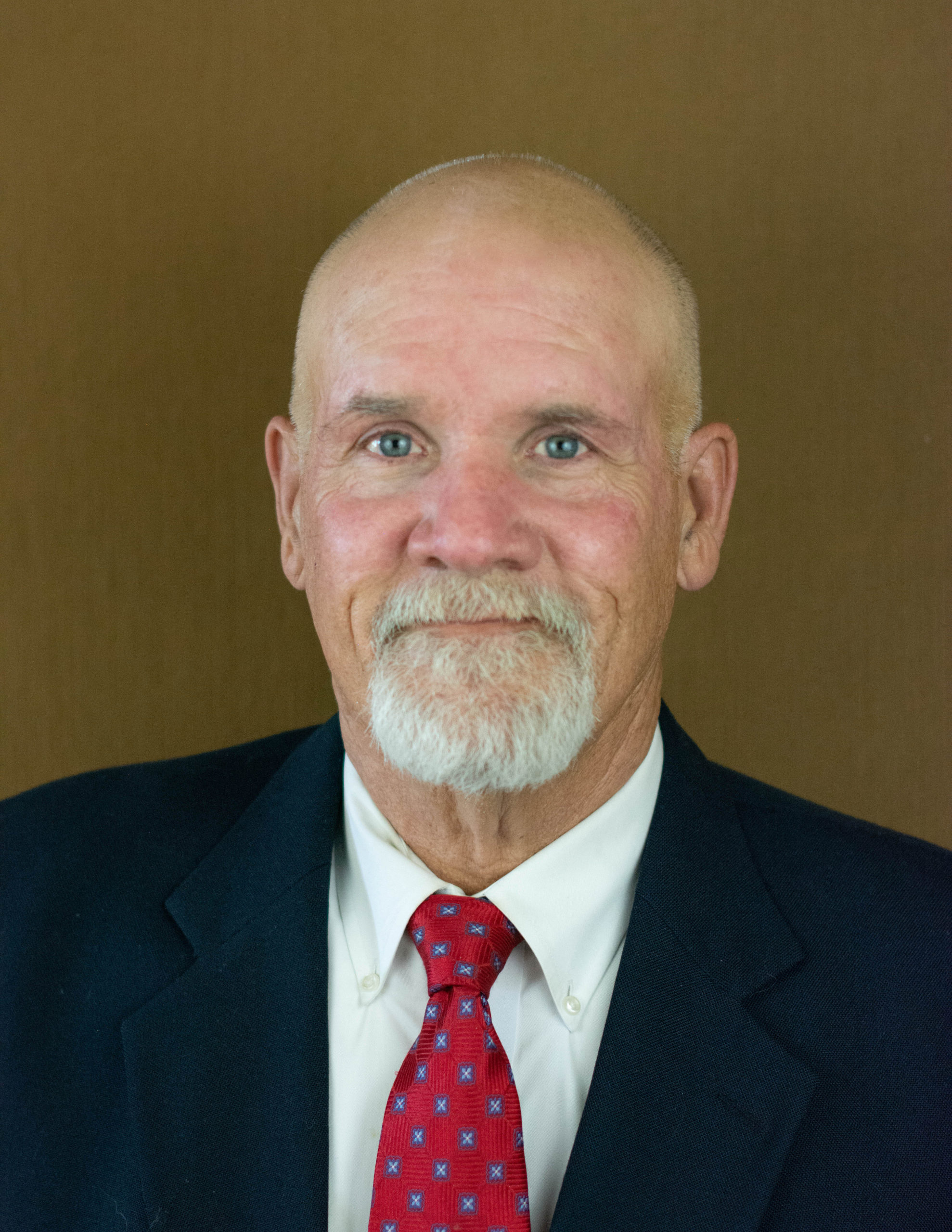
Dusty Roach
Dusty Roach is a safety professional based in Midland. He is also a public speaker on subjects of leadership and safety, and he maintains a personal website at dustyroach.com.