Welcome to this month’s edition regarding everyone’s favorite topic in the Oilfield… Safety! I am eager to present this month’s topic, because it’s about feedback. When I say feedback, I am referring to the feedback from the personnel in the field and from corporate as well.
How many times do you actually solicit raw feedback from the field? I’m not talking about audits. We have enough audits from virtually every aspect of all governing entities. The very term “audit” makes people pucker up a bit. Regardless, if is a financial audit, compliance field audit, or even an IRS audit, tense moments arise.
We do not have to call it an audit. We can refer to it as feedback from the men on the front line. The feedback that personnel are normally reluctant to give, for fear of retaliation. If we inquire and broach the unsavory examples of the real world, everyone tries to smooth over the harsh details. I refer to the questions that personnel are reluctant to answer. It involves deep trust. Safety often has a way of not earning trust. (I wonder why that is.)
When was the last time you questioned one of the personnel about how effective and/or applicable that the training received actually is? We often give the employees feedback, by grades on tests or observations. When has the safety department received feedback from your employees regarding the effectiveness of the training? I’m talking about obtaining “in depth” feedback. What is your feedback? Is it all about the TRIR? You can lean on the TRIR results. You can lean on the reports of frequency or severity. What do the personnel think of your performance in terms of effectiveness? Do you talk down to them? Do you ask more questions as opposed to spewing policy and procedures?
This is actually where the rubber meets the road. How much time do you actually spend in the field? How many recordables have you had in the office? Or at a restaurant? Do you track trends or prevent trends? Does what you do actually make a difference? Perceived compliance is not the goal. The actual safety compliance performance and behaviors are the realistic goal. Have you ever had a boss ask you, “Are you putting on a show or putting out genuine effort?” I have.

I always try to remember the old adage that when you point a finger at someone, there are three fingers pointing back at yourself. I fully understand that it appears as if I always take the viewpoint of the employee. I am guilty of that. However, my background includes 20-plus years in operations before I was given an opportunity to work 26-plus years in safety, both foreign and domestic.
What is the old saying about walking a mile in their shoes before casting criticism?
Observing their job does not make you an authority of “how to do” their job. It just requires you to help find a safer way, by behaviors, technology, or procedures. It is more effective when done as a team effort. It promotes “buy-in” and teamwork.
Observations and involvement with employees can often produce a safe and informed resolution. This information is not new, nor is it a historical revelation. It’s just historically accurate. The men and women in the oilfield, regardless of white-collar or blue-collar, are part of a pioneering vocation. They are blended and bonded by the pioneering work ethic and history to be bigger, better, efficient, tougher, and more prosperous. Our industry has pride in the work we do.
When performing any type of root cause analysis, accurate and complete information is required. I preferred a thorough root cause analysis on the front side of procedures. This enables a fine litmus test on the genuine assessment on the hazards associated with any task. All tasks need to be regularly reviewed annually on the front side of tasks regarding likelihood, frequency, repetition, environment, equipment, etc. Not just on the tasks that created an opportunity for injury.
We have all heard the saying, if it is not broken, don’t fix it. So, the answer is to wait until it breaks? Whether it is equipment, procedures, or innovation, we need to stay aggressive for improvement. That’s why we lead the world. We don’t wait until it breaks. We seek to improve it continually. Faster, better, quicker, and sometimes cheaper through technology. Work smarter, not harder. That’s why we are leaders in the industry.
The Permian Basin rocks! —Dusty
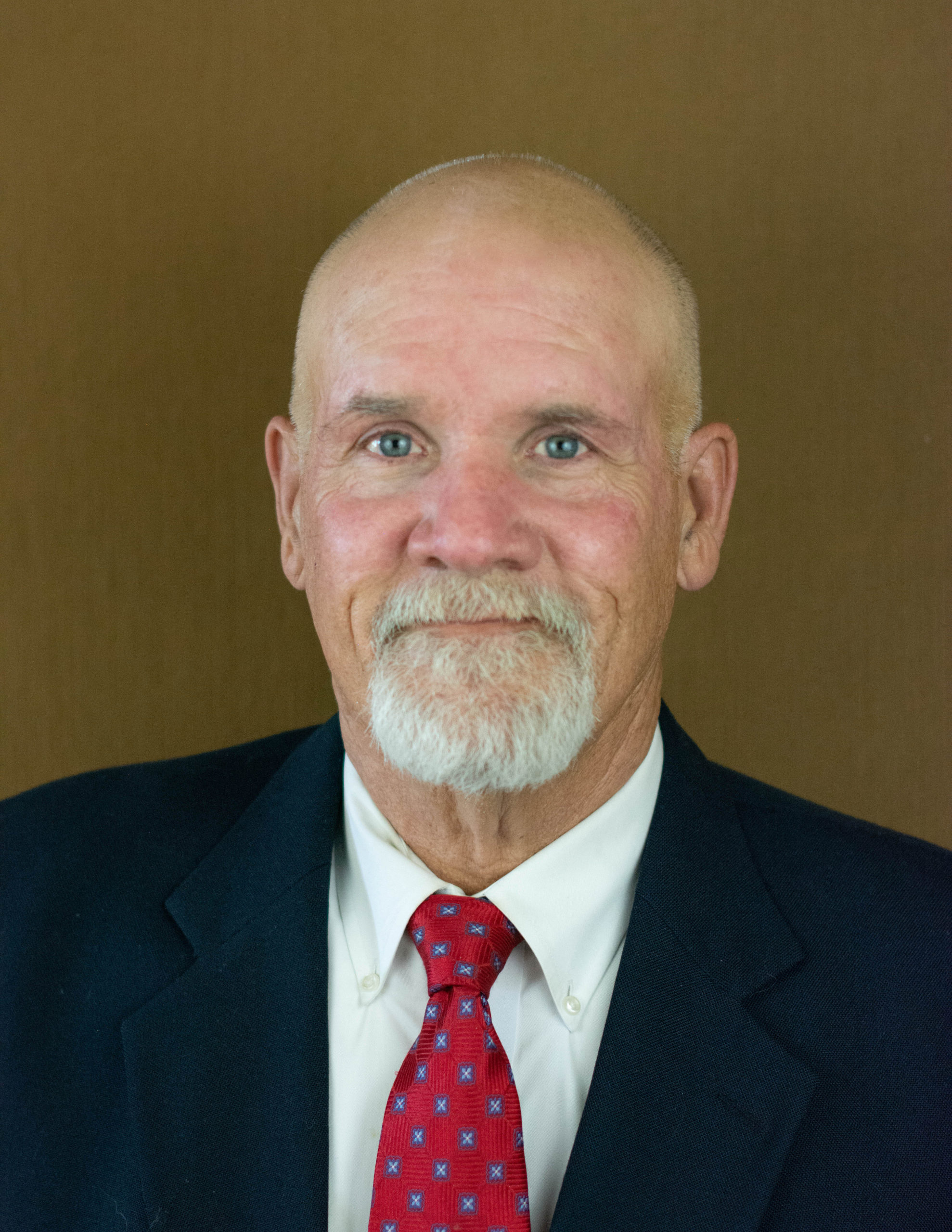
Dusty Roach
Dusty Roach is a safety professional based in Midland. He is also a public speaker on subjects of leadership and safety, and he maintains a personal website at dustyroach.com.