







I am going to pretend we are preparing for a face-to-face interview. Generally speaking, you may find that you will have been screened by a bot, a phone, or a web interview before the first face-to-face meeting. Of course, if you get past this first, in-person interview, you’ll need to be prepared to interview with several groups before receiving the final job offer, if it is to come.
One thought for my readers who need special accommodation: your job application may have asked that question (about the need for accommodations), but no matter what, every business you visit should be accessible.
Interview Questions
Prepare in advance by researching common interview questions. Being prepped to handle common, structured questions is the ideal to shoot for but just know that some questions can be unconventional. Having at least some general idea of what you might expect helps you stay focused and confident during the interview.



As for some of those structured questions, the candidate could be asked about their strengths and weaknesses, as well as what their references would say about them. That latter angle is a big one. Remember, your friends are not your references.
There are different types of questions, including situational (what you would do if), behavioral (how you behaved), knowledge, and background-probing questions.
If you are asked an inappropriate or illegal question, decline to answer and hope the interviewer moves on. You do not want to work there anyway.
They are going to Google you, whether the hiring manager admits it, so take control by cleaning up your social media profiles. This too will help you feel more confident and prepared for the interview process.
If you are lucky enough to start with a computerized interview, then you will be asked to respond to multiple-choice questions and situations. These will ask about background knowledge, as well as your experiences, education, skills, and work attitude. The feedback you’ll be giving here should be very similar in structure and tone to the kinds of statements I advise clients and students to include in their resumes.
Neither computer screening software nor an AI interview cares what you look like or if you have a colorful resume. The only time that might matter is if you want to be an art teacher. Nowadays, sadly, art is also AI-generated.
How to Dress
Dress nicely, and by “nicely” I mean not just as you would for any average day at work. The common wisdom here is to dress one notch above what you might wear to work. Make sure your clothes fit well. I still remember the story an HR director with a large Midland firm told me. She asked me if I knew a certain candidate, and she called him “Dirty Shirt.” Apparently, he came to interview for a director’s position and did not bother to change his shirt that had food stains on it. And if you think he did not have time, well, in fact he did. Have you ever worn one black shoe and one navy shoe to an interview? I have, and I was horrified. That is what I get for loving my Rothy’s. Dressing one notch above helps you make a positive impression and stay engaged during the interview.
There is one more point that has stuck with me for years: do not wear too much makeup. You are not going to a bar; you are going to an interview. I still call one candidate Red Lips (not hot lips), for a good reason.
What to Bring
Do not come in empty-handed. Bring a nice bound book and a pen. Open it when they ask if you have any questions. Then, read in your book where you wrote a few good questions. For help with this, you turn to Google.
Timeliness
It goes without saying that you must be on time, but I recommend being early. Never rush, never. You need to look cool and not frazzled.
What to Say
Be polite, never judgmental, and put a positive spin on your current and past employers. No one likes someone who trashes their previous employers. You may be a liability in the future to the very company you’re interviewing with. Do not use profanity, even if the interviewer does.
After the Interview
Afterwards, send an email, at the very least. A thank-you note sent by mail the same day is still the most polite and professional. Even if you do not get this position, the interviewer will remember you. Making the initial connection can pay for itself later.
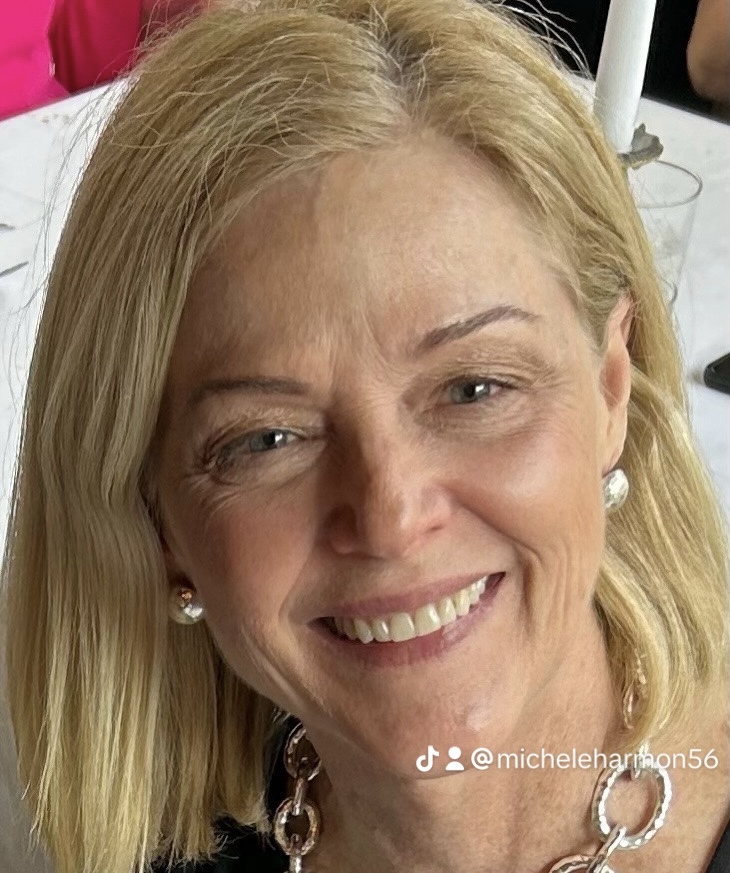
Michele Harmon
“Your employees are the heart of your organization.” Dr. Michele Harmon is a Human Resource professional, supporting clients in Texas and New Mexico that range in size from five to more than 3,000 employees. Email: micheleharmon1@gmail.com