








“Steel and chemical supply chains are interconnected,” says Centrium’s Sean Moore. This Centrium 18-wheeler transports chemicals to oil country.
Since January of 2025—before Iran and the Strait of Hormuz issues—there have been tariff squabbles, import restrictions, and physical battles worldwide that have affected both supply chains and prices for key industrial supplies. Steel is a key metal for the oil industry, especially regarding oil country tubular goods (OCTG). Some oilfield chemicals are also vital, and some of those also relate to OCTG.
How is all this geopolitical turmoil affecting oil and gas operations in the Permian? Addressing this are Nathan Nemeth, director, Lower 48 Upstream for research firm WoodMac; Guillermo Moreno, president of OCTG provider Tenaris U.S.; and Sean Moore, account manager, operations lead for Centrium Energy Solutions, a supplier of oilfield chemicals.
Supplies, Prices of Steel and OCTG
While steel supplies have not suffered, prices have fluctuated due to changes in tariffs and import restrictions, Nemeth said.



Reducing steel imports and bringing its processing back to U.S. shores has been a goal of President Donald Trump since the era of his first administration. To that end in 2018 the administration enacted what are known as “Section 232 tariffs,” based on that section of the Trade Expansion Act dating back to 1962. They allow the President to adjust imports, through tariffs or quotas, if the Department of Commerce sees that certain goods are imported in circumstances that threaten national security.
Among the nations included in new tariffs were Austria and South Korea, although the latter negotiated some exceptions. Early in his current term, Nemeth said, the president rolled back the Section 232 restrictions, opting instead for tariffs to hold down imports and generate tax revenue.
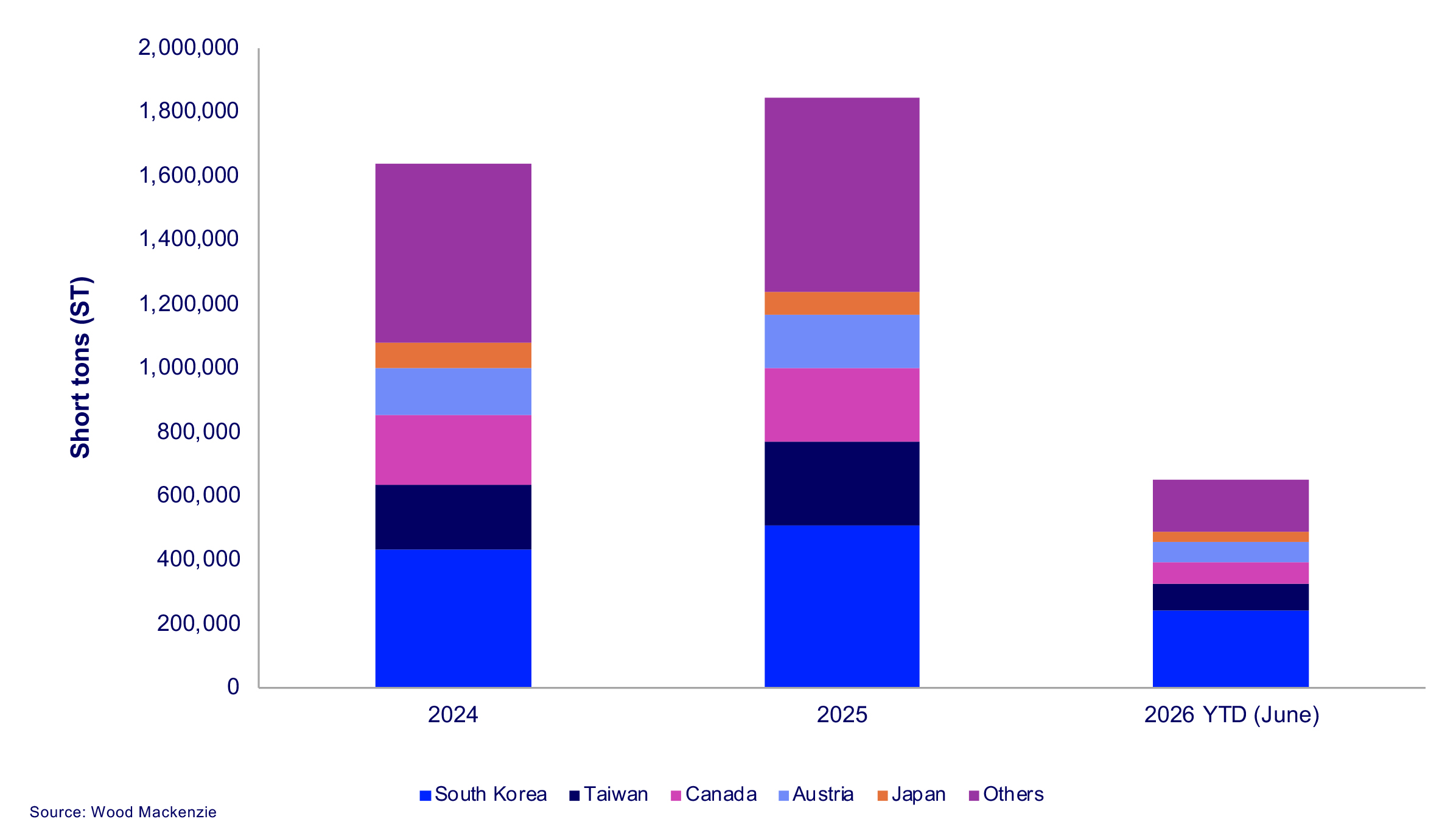
Apparently, the markets saw this change coming, Nemeth observed, “because 2025 imports of OCTG were actually higher than 2024. There was a lot of tariff front-running in January and February.”
In some ways, the results of the change were unexpected. Said Nemeth, “…rolling back the quotas had an interesting dynamic because previously, a country like South Korea would meet their quota and that would be it. It created this new dynamic the market hadn’t seen before, [that] these countries could export as much as they want to the U.S. and just absorb the tariff.”
The game changed again when the tariffs rose to 50 percent. Imports began dropping in “the back half of 2025 and they’ve been a little bit soft as well to start the year [2026].” Domestic mills have taken up some slack, which was the presumptive goal.
Activity from China has changed the dynamic in a different way, Nemeth said. Because the Chinese are now exporting significant amounts of steel, that has driven down the market prices, somewhat reducing the effect of the tariffs.
Demand Rises, Somewhat
While Iran and the closing of the Strait of Hormuz have only slightly affected steel shipping, it has changed the demand side, as it spiked oil prices. Industry planners originally expected $60 per barrel oil in 2026, and were either reducing drilling or holding steady, keeping steel demand relatively flat.
But February’s closing of the Strait stifled oil supplies, ballooning the price to near $100 per barrel—and suddenly drill, baby, drill actually became a thing. As to the effect on OCTG supplies and pricing, Nemeth said the jury is still out. Ships importing OCTG supplies “are going to take a while to leave a port on the other side of the world and then get into the Port of Houston. So we’re waiting to see if imports do pick up in the second half of the year.”
With the uncertainty of what’s next in the Strait, he said OCTG prices have indeed nudged up since February.
Anti-Dumping and Loopholes
In addition to the government, the domestic steel industry itself has taken action against some exporting countries, filing an anti-dumping petition against Austria, Taiwan, and the UAE this year. In Nemeth’s view, “That has likely frozen imports from those countries as, depending on the ruling, there could be retroactive anti-dumping duties.”
He listed the main countries from which the United States imports pipe as South Korea, Austria, Mexico, and Canada (see chart).
Pipe Types
Import levels also depend on the type of pipe, he said. The somewhat lower-end, electric resistance welded (ERW) is the most imported, and it’s commonly used for surface casings.
Domestic mills, however, are moving toward seamless pipe. “They’re essentially forging a solid, steel billet, seamless pipe. It’s a higher quality,” used on the production string.” Demand for seamless is on the rise, especially for longer laterals and deeper, higher pressure wells.
Also, longer laterals for each well means that fewer wells are drilled to maintain production levels. It also means there is less vertical pipe needed, reducing demand.
Higher Oil Prices Dampen Cost Concerns
While OCTG costs are a significant part of well costs, the fact that the price for WTI is significantly higher than expected has mitigated producers’ concerns, Nemeth noted.
Onshoring Working?
Domestic production is rising, mainly from ramping up at existing mills, he said. Few are willing to invest in expansions or new facilities, due again to uncertainties surrounding the future of tariffs and trade agreements. And with the aforementioned decline in demand for vertical sections, the oil and gas industry itself just may need less supply.
Refined Products
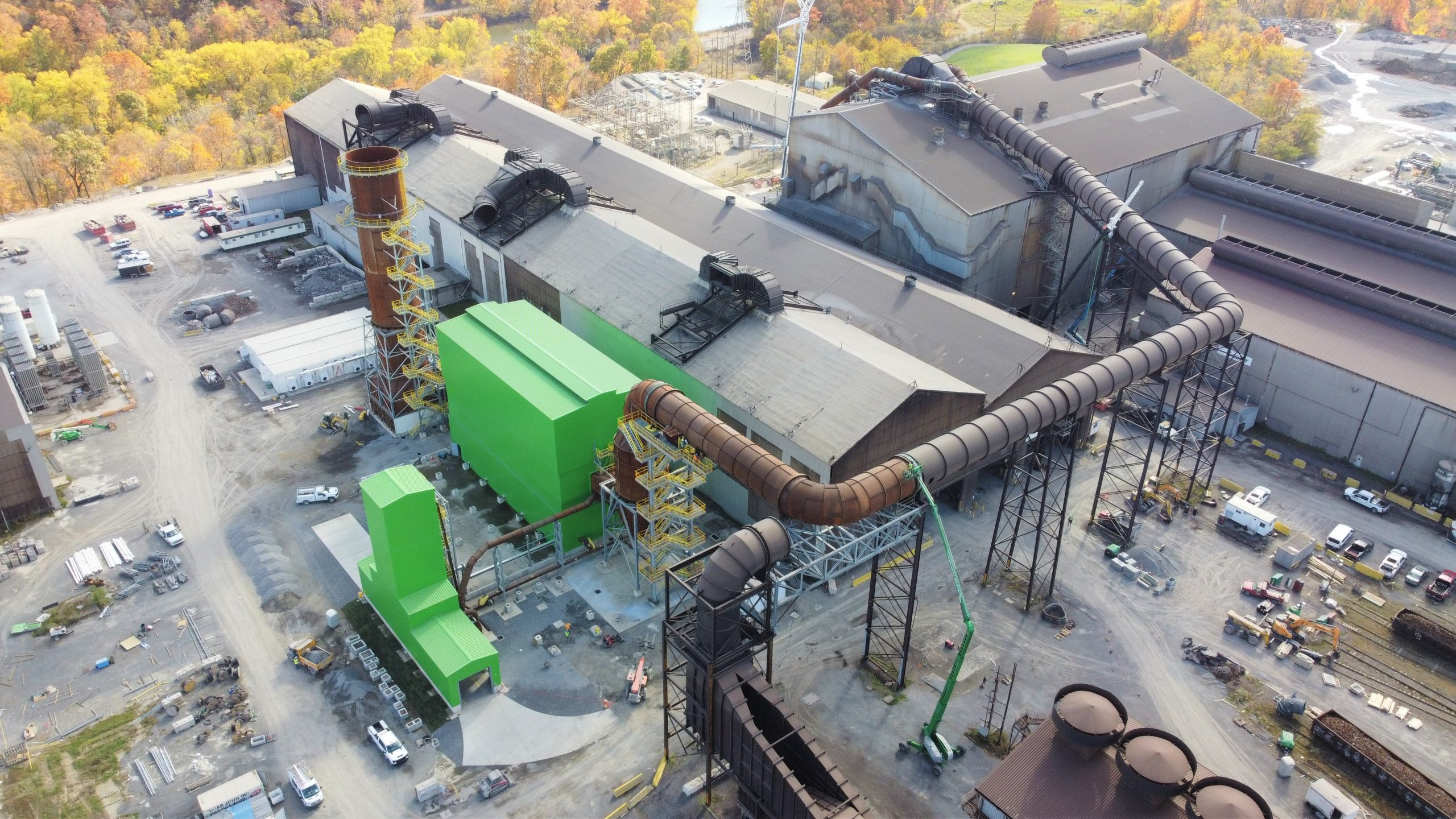
This Tenaris warehouse is undergoing renovations to implement the latest technologies.
Among the ironies of the oil business is that when pump prices rise, that includes diesel and other fuels used in the industry itself, Nemeth noted, pointing out that a “huge number” of refined products come through the Strait of Hormuz.
However, fuel prices are often more of an issue for service companies, which must decide whether to absorb those increases or pass them along.
Some drilling muds and other downhole chemicals can be affected, especially if they are imported.
Centrium and Chemicals and… OCTG
“Steel and chemical supply chains are connected,” declared Centrium’s Sean Moore. He explained, “If OCTG, tubulars, and other steel assets are more expensive or harder to replace, protecting the installed asset base becomes even more important.”
Corrosion inhibitors then step forward, and if those supply chains are taxed, it’s not as simple as switching to a different one, Moore said. He added, “When supply is tight, there can be pressure to buy whatever product is available. That is risky. Two products associated with the same general chemical identity or CAS number may differ in activity, purity, carrier system, formulation, or field performance.”
Centrium’s business model is to spread its distribution to regional warehouses, including one in Odessa, to reduce transportation costs to the site and for greater certainty of supply.
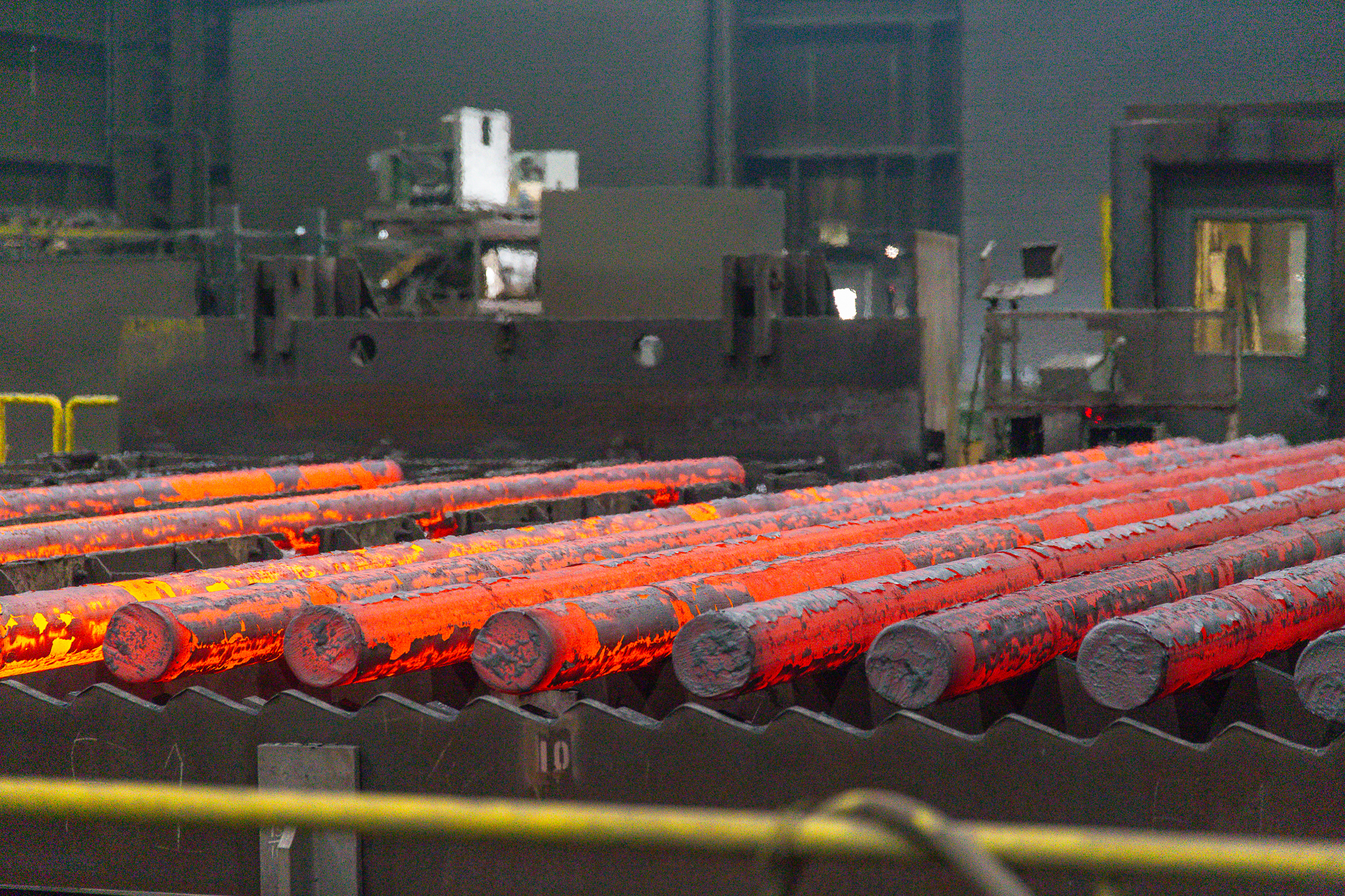
Tenaris announced in June a series of new investments planned for its steel shop in Koppel, PA, and seamless pipe manufacturing facility in Ambridge, PA, totalling more than $90 million. The upgrades, which advance a strategy focused on automation and production efficiency, will support the company’s ongoing efforts to modernize both facilities. This complements an additional $150 million USD already invested since Tenaris acquired these locations in 2020.
What’s Short and What Isn’t
It’s not the finished chemicals that are the issue, he said. Instead, “It’s the volatility in the intermediates used to make products like corrosion inhibitors, scale inhibitors, and other production chemistries.
“Take corrosion inhibitors as an example. Some of the raw materials and intermediates that go into those formulations have seen price and availability swings depending on what’s happening with the Strait of Hormuz and global shipping routes. One month, costs may ease, and the next they can spike again. It creates an unpredictable market for both suppliers and service companies.”
Buying raw materials ahead as much as possible, when prices are favorable, is the best remedy.
Yet to the point made also by Nemeth, higher oil prices also raise transportation fuel costs for the industry itself. For chemicals shipped longer distances, that can raise their price.
New Tariff in Town

Sean Moore
Unlike direct military action, tariffs’ effects on prices are more subtle, Moore observed. “The impact isn’t usually a tariff showing up as a separate line item on a finished oilfield chemical. It’s the effect tariffs have on the intermediates and raw materials that move through multiple stages of production before the finished chemistry reaches the Permian.
“That creates price fluctuations and sourcing uncertainty throughout the supply chain. The same product can have a very different replacement cost depending on when those raw materials were purchased and how they’re moving through the market.”
Domestic sourcing of raw materials as much as possible can help, but it’s most important to know the location of critical intermediates and purchase as much as possible “before disruptions occur. Companies that plan ahead tend to be in a much stronger position than those relying solely on what is available in the market at that moment.”
Moore added, “The real issue is not just the tariff rate. It’s how many opportunities there are for cost and uncertainty to enter the supply chain before the chemistry reaches the Permian.”
The Big Picture
Moore summed it up this way. “The Permian does not need to eliminate every imported input to become more resilient. It needs shorter supply lines, qualified domestic options, strategic inventory, and better visibility into what is actually inside the products being purchased. The objective is simple: keep a global disruption from becoming a missed treatment, a damaged asset, or a delayed job in West Texas.”
Tenaris’s $90 Million OCTG Investment in Pennsylvania
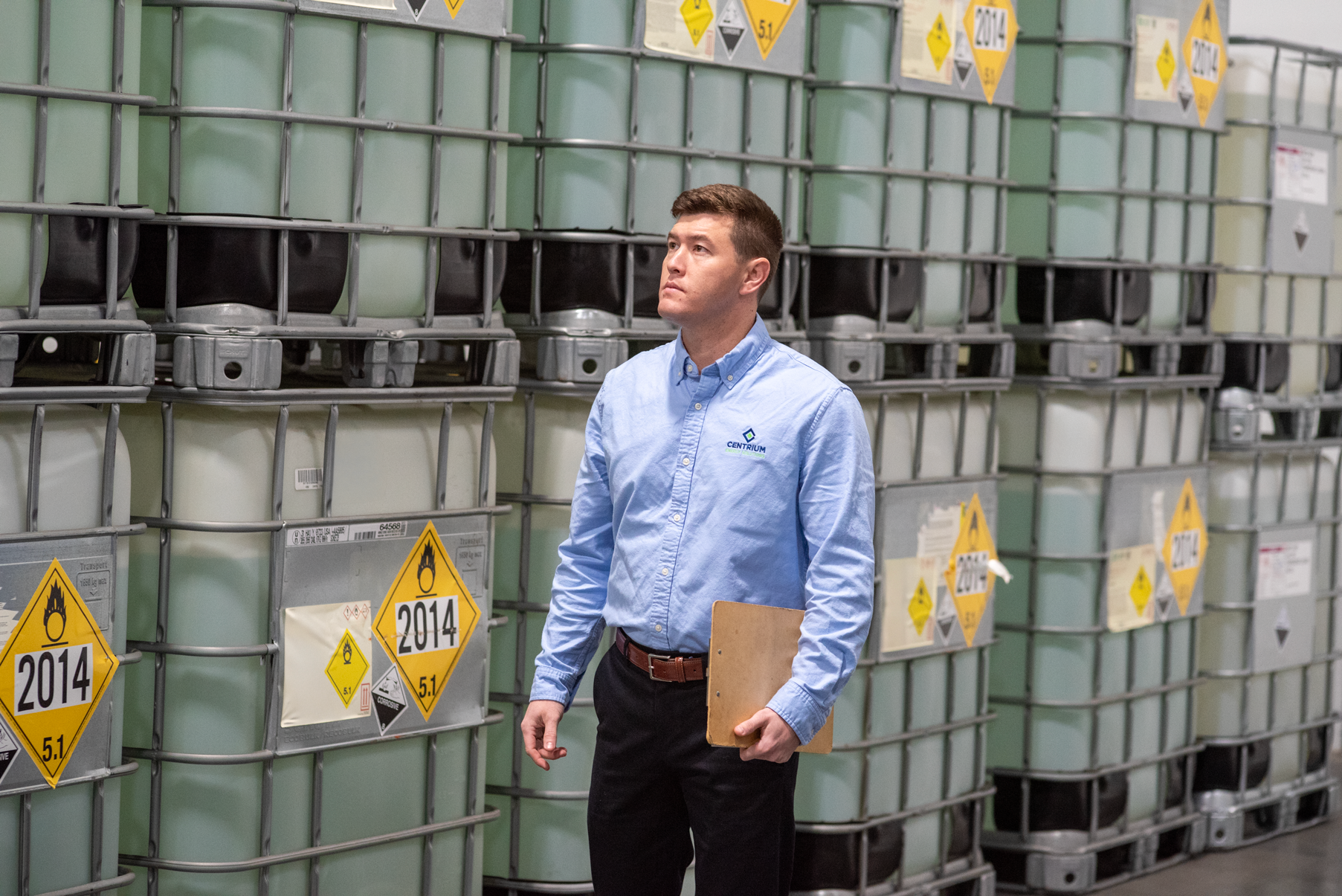
Centrium’s warehouse is state of the art.
“There is no American energy without steel,” declared Tenaris U.S. President Guillermo Moreno, adding, “OCTG can represent up to 15 percent of total well costs while remaining critical to well integrity and enabling drilling and production efficiencies.”
Luxembourg-based Tenaris’s U.S. operation is investing heavily in its production capacity, Moreno said. The recent announcement of a $90 million investment in its Pennsylvania steel shop will significantly expand production capacity.
Having invested about $10 billion in its U.S. manufacturing network over the last 20 years, they are “able to manufacture nearly 90 percent of what we sell in the U. S. from our American facilities.”
He added that the Middle East conflict has had little effect on U.S. supplies or operations. “Given that nearly 90 percent of the products we sell in the U.S. are manufactured domestically, our operations are less exposed to disruptions affecting international supply routes.” Also, “While we continuously monitor logistics and raw material markets, our current focus is on ramping up U.S. operations to support growing customer demand and ensure reliable supply to the market.”
Moreno voiced displeasure with nations that dump pipe in the United States, specifically calling out South Korea and other Asian countries that, “with no domestic market of their own, operate as exporting platforms to the U.S.”
While nothing these days is certain—death maybe, but now even taxes seem to change daily—the Permian Basin is more insulated from big supply chain issues than many regions. And the same uncertainties that are raising some supply prices are also raising oil prices, so if that’s the only issue, many Permian companies are actually ahead.

Paul Wiseman
Paul Wiseman is a longtime writer in the energy industry.
Leave a Reply