









Let’s look back to WWII…. By 1944, unemployment was less than 2 percent, and this was the first time women were encouraged to work outside the home. Also, when labor demand is high, wages will rise. Those left behind, much less those on the front line, experienced high levels of anxiety, whether we named it or not back then. I’ll ask of those who are of mature age: Did you ever meet someone who was in a Japanese or German POW camp? I did, and from my personal experience, they had shorter lifespans due to stress, poor nutrition, etc. The Great Generation was a heavy-drinking generation for several reasons. As noted, there was no care for returning veterans or POWs. We do not teach enough about this in school. If you have never watched Unforgiven or Saving Private Ryan, you should. War is Hell.
In the 1950s and 1960s, students were trained to hide under their desks or in the halls to protect themselves from a nuclear bomb attack, should that ever become a reality. I passed a sign on Highway 290 the other day that advertised a company that builds bomb shelters. There was at least one in the neighborhood where I grew up in Houston.
Today, wars all around the world are creating stress and anxiety, and everyone is either dealing with their own or that of someone close. All this affects job performance by decreasing productivity. The anxious employee is like the unhappy employee. It takes a lot to ignore the outside world to get your job done well. Then, you add social media, and Heaven help us all.
To keep the world going and oil flowing, the majors and their contractors will not have it easy to move staff around the globe. My husband had to fly to Malaysia shortly after the two planes went down. I was sure he would not come back. My cup was half empty for the duration.

Hazard pay is the real thing. Since 2020, it has been very difficult to predict not only the energy sector but also the rest of the economy.
Government staff reductions may have been warranted due to decades of redundancies, but did we cut too much? I am not planning on flying any time soon, and I have all the perks to move ahead of most lines. Airline stock, like auto stock, is an interesting investment, but did anyone tell the airlines that we were going to attack Iran? How many airline employees quit or retired after 9-11?
Due to the conflict with Iran, various online articles report significant workforce disruptions, including layoffs over safety concerns and operational shutdowns. That makes sense, if only temporarily.
Logistically, it is difficult to move staff and materials. Even if you have the staff in place, you still need the tools to accomplish the tasks.
I listened to a long podcast by Tucker Carlson this week, and he made a good point: countries like the UAE were becoming tourist stops, and with the war, that has been halted. I had a childhood friend caught in the UAE when all this started. She escaped with her family to Madrid. Another family finally gave up trying to get into Israel.
Staff is being evacuated, and strikes are occurring around major airports, our bases, LNG terminals, and refineries. Projects rely on an outside workforce, so those will come to a halt without the ability to bring in a workforce. In the Permian, we rely on United and Southwest for ferrying thousands back and forth each week between Houston and Midland/Odessa.
The Permian is used to the ups and downs of our industry, but it has been years since the United States last turned to our area for its fuel in time of conflict. Even the Permian has limits, in resources as well as in infrastructure, to support more and more people and vehicles. Only time will tell, but, as Kirk Edwards said, Venezuela cannot make up for the oil that has come out of the Middle East and disappeared, and I doubt the Permian can either.
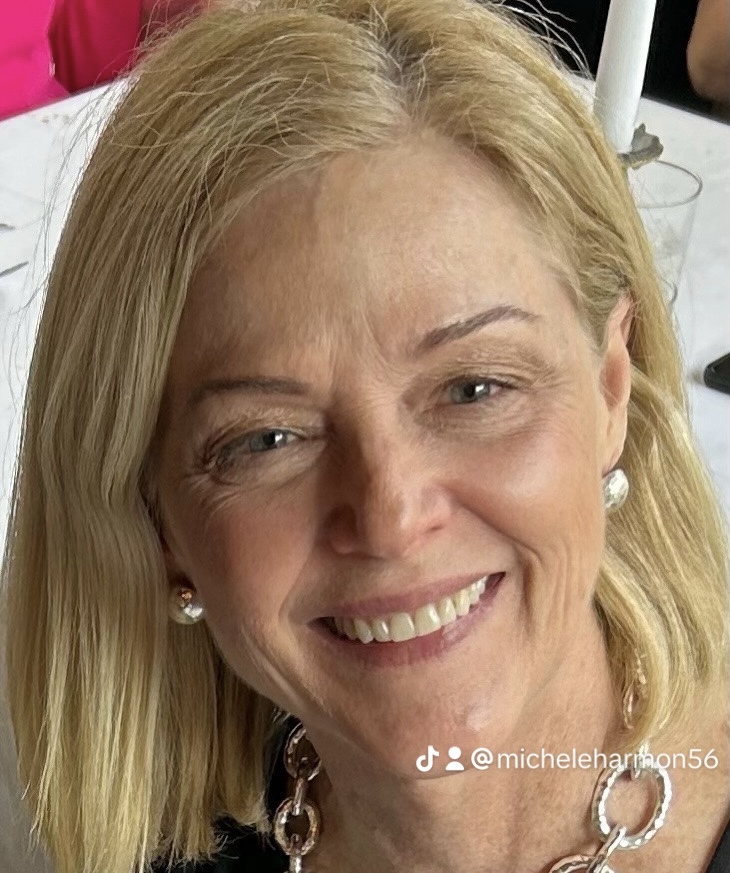
Michele Harmon
“Your employees are the heart of your organization.” Dr. Michele Harmon is a Human Resource professional, supporting clients in Texas and New Mexico that range in size from five to more than 3,000 employees. Email: micheleharmon1@gmail.com