







Click here to listen to the Audio version of this story!
In the long and eventful history of the Permian Basin, few discoveries carry the weight—and the enduring legacy—of the Yates Field. Discovered in 1926, the Yates Field not only transformed a stretch of rugged West Texas ranch land into one of the most prolific oil provinces in North America, but it also helped establish the Permian Basin as a cornerstone of U.S. petroleum supply for the next century.
As 2026 marks the 100th anniversary of that discovery, the story of Yates offers rich material: a cast of determined wildcatters, a landowner whose patience proved legendary, and a development that reshaped how large oilfields were produced and managed.
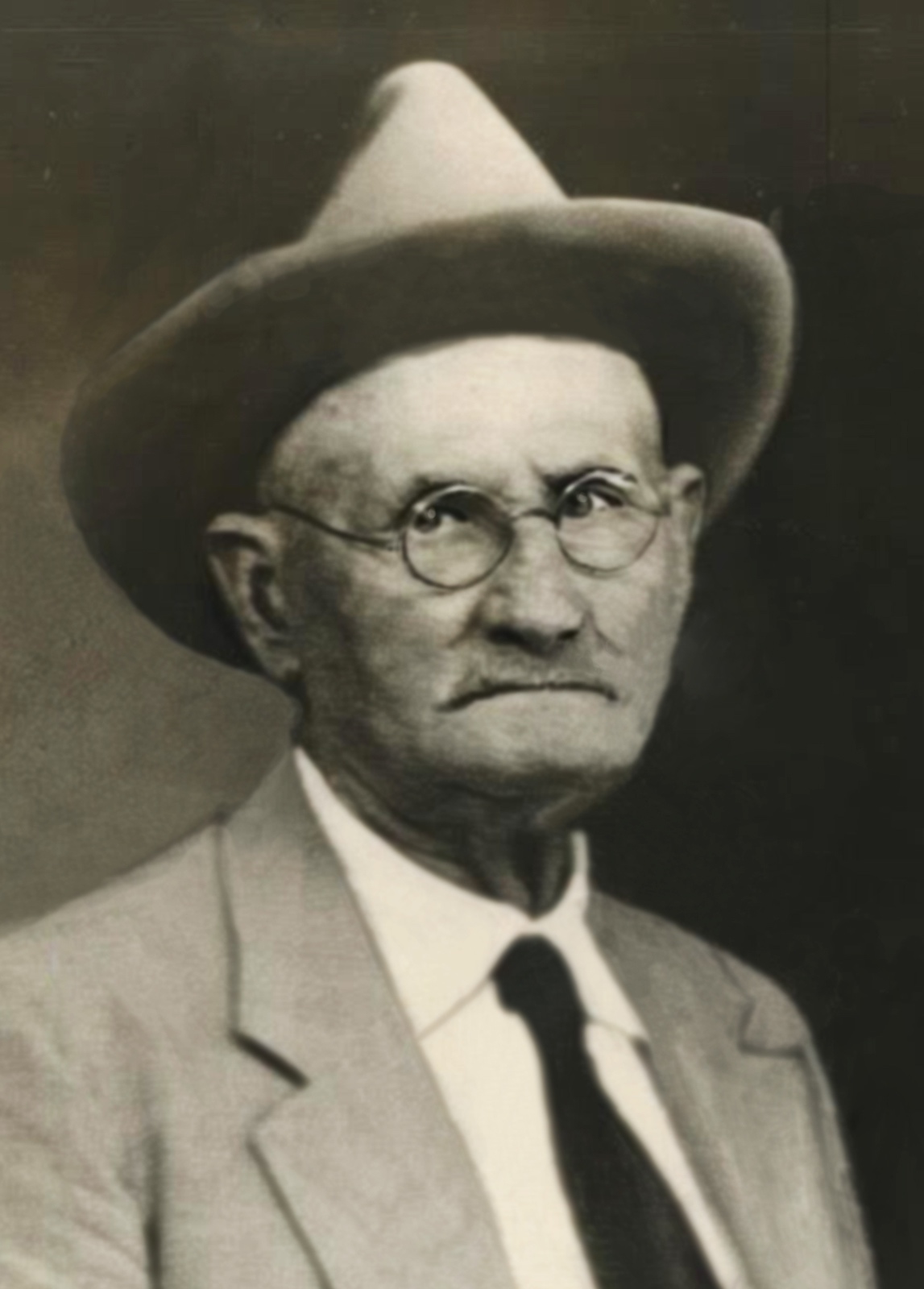
Ira Yates
Wikipedia describes the Yates Field thus: “It is a giant oil field in the Permian Basin of West Texas. Primarily in extreme southeastern Pecos County, it also stretches under the Pecos River and partially into Crockett County. Iraan, on the Pecos River and directly adjacent to the field, is the nearest town…. It is the southernmost of the large oil fields on the eastern rim of the Central Basin Platform.”



So, where lies Iraan and the Yates play? If you were to climb into your truck and start driving south as though you mean to reach the border of Mexico, Iraan would be your halfway point on that journey.
This part of the Trans-Pecos region is hilly, broken, dry, arid, and rugged. The terrain includes some steep canyons and numerous mesas. As Wikipedia states, “Native vegetation, where present—for much of the area is exposed rock—consists of desert shrubs, grasses, and scrubby live oaks.”
The Yates Field was never what anyone would have called inviting, accommodating country, but when was oil ever found in accommodating country?
A Rancher’s Land, a Wildcatter’s Bet
The story begins with Ira G. Yates, a sheep and cattle rancher whose holdings stretched across vast portions of Pecos County. For years, Yates had leased his land to prospectors with little to show for it. By the early 1920s, West Texas was still considered marginal territory—far removed from the proven oil regions of East Texas and Oklahoma.
Enter Transcontinental Oil Company, a firm willing to gamble where others had lost interest. The company secured leases on the Yates ranch and began drilling in an area marked more by isolation than promise. Supplies were hauled over primitive roads. Water was scarce. Summer heat was punishing. Crews worked with limited geological data, relying more on intuition and persistence than on modern subsurface science.
In 1926, those efforts paid off.
The Well That Changed Everything
When the discovery well came in, it quickly became clear this was no small strike. Oil flowed from multiple producing zones, revealing a massive carbonate reservoir unlike anything previously encountered in the region. Early estimates of the field’s size were almost unbelievable by the standards of the day.
The Yates Field would ultimately be recognized as one of the largest oilfields ever discovered in the United States, with original oil in place measured in the billions of barrels. For Transcontinental and its partners, the find instantly justified years of dry holes and financial risk. For Ira Yates, it marked the beginning of a fortune—and a reputation as one of the most consequential mineral owners in American oil history.

The drilling crew on the Ohio Company’s Yates No. 30-A, a 200,000-barrel-per-day well, in 1929. Permian Historical Society Collection, University of Texas of the Permian Basin. The Ohio Company later took the name that everyone knows today: Marathon Oil.
Boom Without a Town
Unlike Spindletop or later East Texas discoveries, the Yates did not immediately spawn a classic boomtown. The field’s remote location—south of Midland and far from major rail lines—limited the kind of chaotic population surge seen elsewhere. Instead, development proceeded in a more deliberate but still intense fashion.
Drilling rigs dotted the landscape. Tank batteries rose from the desert. Pipelines were hastily planned to move crude to market. Operators faced the technical challenge of managing reservoir pressure in a field so large that early production practices threatened long-term recovery.
Here, Yates became a proving ground not just for oil discovery, but for oilfield management.
Lessons Learned the Hard Way
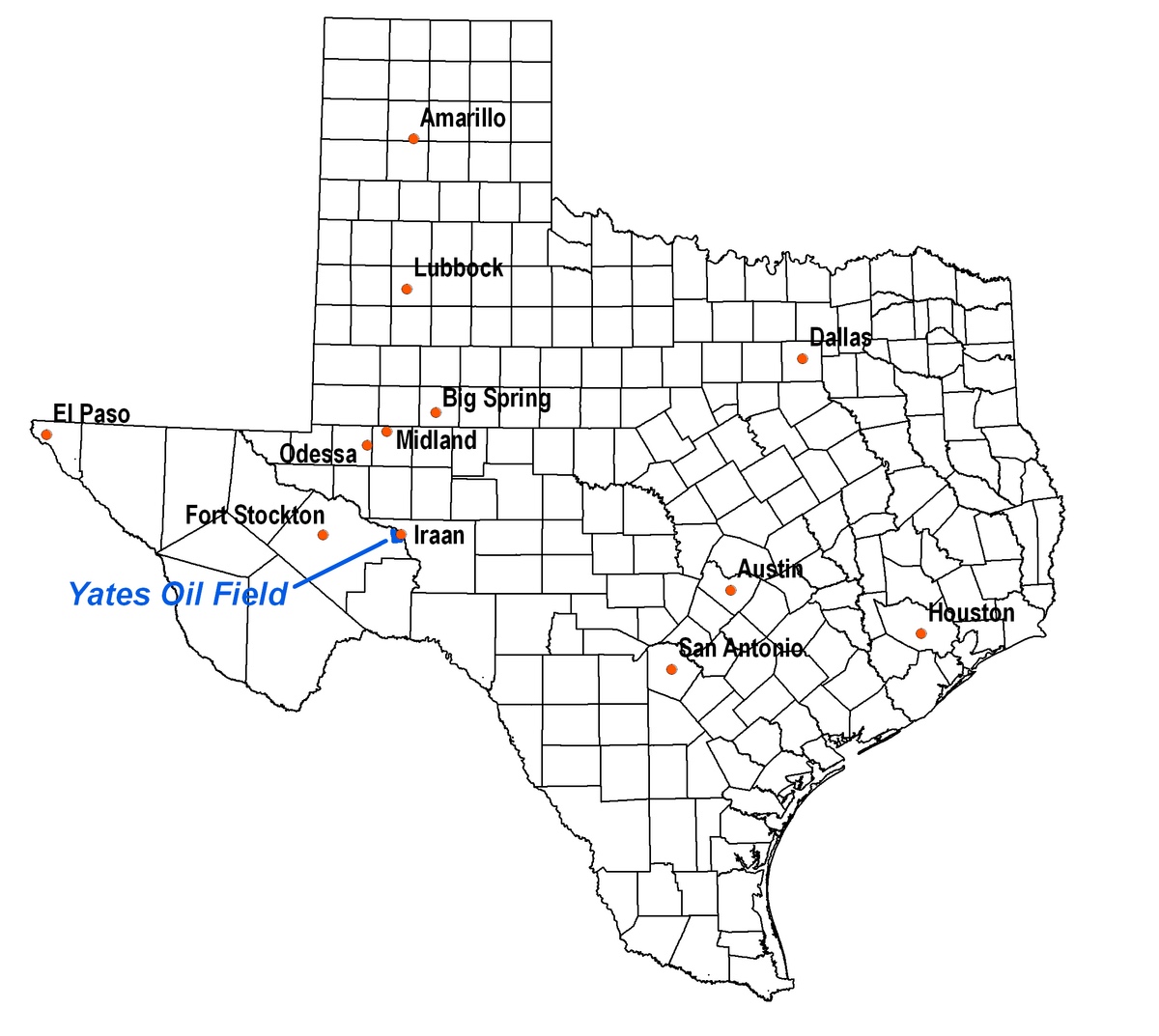
The epicenter of the Yates Field was/is the Texas town of Iraan, on the Pecos River. The town’s name is a portmanteau of the names Ira and Ann (Ann being Ira’s wife), and the name is pronounced Ira-Ann.
Early production from the Yates Field was aggressive, reflecting industry norms of the era. Wells flowed freely, and pressure decline soon followed. Operators learned—sometimes painfully—that unrestrained production could jeopardize ultimate recovery.
Over time, the Yates became a textbook case in the importance of reservoir management. Pressure maintenance, controlled production rates, and later enhanced recovery techniques were applied on a scale that few other fields could match. These lessons would echo across the Permian Basin and beyond, influencing how large carbonate reservoirs were developed for decades.
The field’s longevity is a testament to those adjustments. A century after its discovery, Yates remains a producing asset—rare company indeed.
Ira Yates: Reluctant Oil Baron
Despite his wealth, Ira Yates was never known as a flamboyant oilman. He remained, at heart, a rancher—practical, cautious, and famously frugal. Stories from the era describe him traveling modestly and keeping a close eye on expenses even as royalties poured in.
Yet his impact on the industry was profound. Through leasing strategy alone, Yates demonstrated the value of patience and scale. His insistence on fair terms—and his willingness to wait for serious operators—helped shape how mineral owners negotiated with oil companies across West Texas.
When Yates died in 1956, his estate was among the largest in Texas history, built largely on the discovery that bore his name.
A Pillar of the Permian Basin
The Yates Field did more than enrich its stakeholders; it anchored the Permian Basin’s reputation as a world-class oil province. Alongside later giants such as Spraberry and Wasson, the Yates helped ensure that West Texas would remain central to U.S. energy supply through wars, booms, busts, and technological revolutions.
Its discovery in 1926 also bridged eras—linking the wildcatting spirit of early oil exploration with the more disciplined, engineering-driven development that would follow. In many ways, Yates marked the Permian Basin’s transition from frontier to foundation.
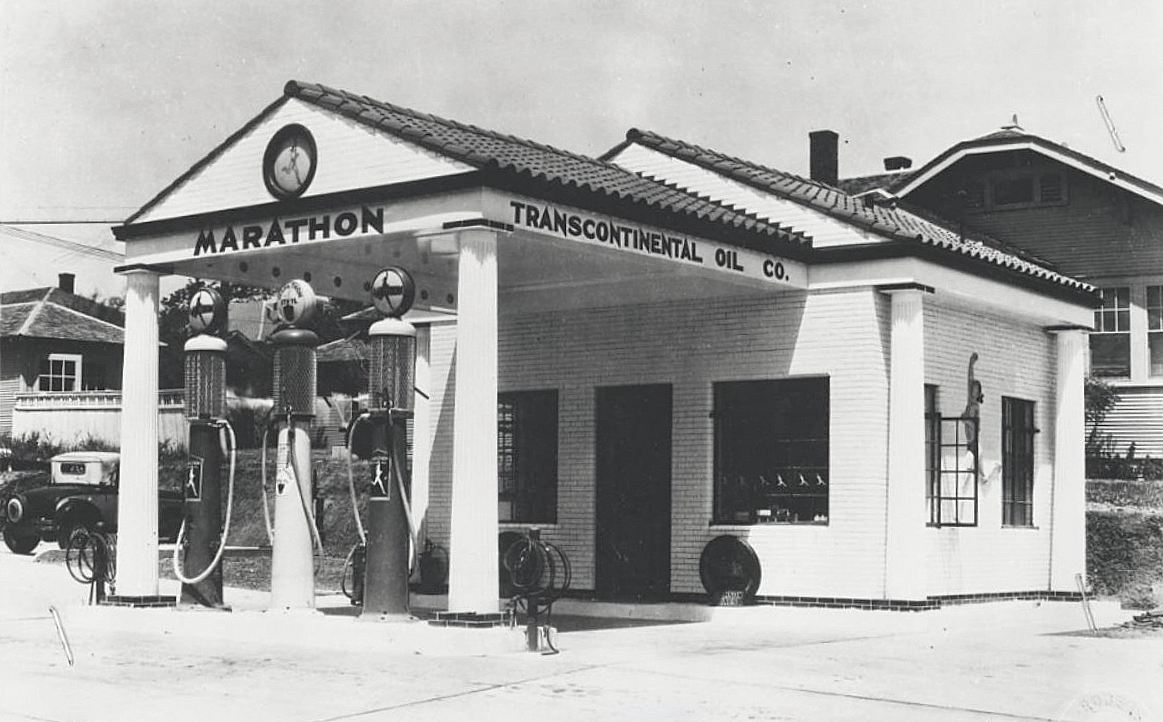
Marathon, which drilled the discovery well for the Yates Field, has oilfield roots that are closely intertwined with those of the Yates Field.
Why the Centennial Matters
In an industry often focused on next quarter’s prices or next year’s drilling program, a 100-year anniversary invites a longer view. The Yates Field reminds today’s operators and investors that scale, patience, and stewardship matter. It underscores how a single discovery—made with limited tools and plenty of grit—can shape regional economies and national energy security for generations.
As 2026 unfolds, the centennial of the Yates Field offers more than a historical footnote. It is a moment to reflect on how far the Permian Basin has come—and how much of its modern success traces back to a remote ranch, a determined oil company, and a well that came in big in the West Texas desert.

Jesse Mullins, Editor
Jesse Mullins is editor of Permian Basin Oil and Gas Magazine.
Great reminder of the definition of success! Can you imagine drilling a 200,000bbl/day well!!
Appreciate the article.