









This month, we are going to take a different approach. As Henry David Thoreau said in 1854, sometimes it is necessary to simplify, simplify, simplify. It can be our outlet to reduce life’s unnecessary details, material possessions, and complexities to focus on essential meaningful living.
Throughout my career, I have been trained in numerous “root cause analysis” formats. Each has its own merits. Most of them are adequately effective. I have found that the basic causes of accidents can be put into three categories: (1) knows the rules, but chooses not to follow them, (2) is unable to take precautionary safeguards because of lack of proper tools or direction when situations change, and (3) is not adequately trained in problem solving—a subset we referred to simply as “Untrained.” (This latter designation is probably the most commonly applied.) A full day or full week in class does not qualify anyone in the real oilfield world. It merely serves as the required documentation that satisfies the needs to be called Trained. Is it important? Yes. Is it required? Yes. Does it help everyone? No.
Unwilling – Believe it or not, experience can be a detriment. The seasoned oilfield veterans with oilfield experience are notorious for taking shortcuts because of the pressure to get the job done expeditiously. Years of experience, without being checked on or observed, encourages a false sense of accomplishment, often accompanied by an “attaboy” mentality. This is also known as a quick or temporary fix. The oilfield is laced with temporary fixes. The intention of rectifying them at a later date is common. Yet it is one that is seldom followed up.

Most of the truly experienced personnel feel that some rules can be bypassed and/or bent for the sake of increased work production and call it efficiency. Such practices are often rewarded by management—at least for the production and efficiency that were involved. Once rewarded for their performance, employees may seek to find additional perceived improvements. I am not advocating that all are like this, but they often tend to bypass safety protocols due to “mind-numbing” repetition. Workers try to find a quicker, better way without addressing procedural protocols.
Unable – Now we switch to being unable to fix a situation, a scenario which usually involves a lack of resources, of communication, or of wherewithal and experience required. Such scenarios often pop up in remote locations. Most employees will try to fix anything, but logistics can be an issue. Communication, proper tools, and training do not grow on trees. Even if we worked in an area where there were trees, we would still be out of luck. Equipping the man in the field to cover every situation would be sheer folly. However, our industry presents situations where we find ourselves not able to predict every situation. Our prideful mentality found in our industry is a blessing and a curse. MIT graduates could not perform in an environment of what we do daily.
We are haunted with the mentality to “Get’r done.” We preach the stop-work authority, but seldom is it used in the field, for fear of failure or retribution. You can deny that it happens, but it still happens. The smaller the company, the fewer the resources and usually the tighter the budget concerns.
Untrained – Most companies have a system for placing a novice with an experienced employee. It is a practice that I encourage—for companies to have an operational trainer who is trustworthy. I also recommend a pay bump for the trainer in the field for taking on this project. Most companies are in business to make money, LOL. It is no different for the employees. It should be common practice to reward the performers frequently and retrain the people who are not performing to standard. Large and small companies are reluctant and reticent to cull the workforce because of the expense of starting the process all over again.
There are skilled untrained personnel. By untrained, there are companies that have a set pattern or syllabus for training that has been used for years. There is not much investigation into the training syllabus and its effectiveness. Thorough background checks are often an effective tool to increase your odds of an effective hire. However, background information can be sketchy. Some previous employers are happy to give positive feedback to get rid of an under-performer. The deeper you check references, the better the results. An effective and reliable HR person is a premium. That’s money in the bank, if they are good at their job. A good Human Resource partner is instrumental in hiring if he or she is knowledgeable about our industry.
It sounds as if I am writing about human resources more than I am about safety. Through the years I’ve found that if your HR is hiring the wrong people, that is a safety concern. However, sometimes the talent pool has no chlorine, LOL. OSHA requires safety. OSHA has no rules regarding HR.
Identify where the weak areas are, work with your HR, and you will conquer the issues of the Unwilling, the Unable, and the Untrained. I recommend reading the HR section in this magazine by columnist Michele Harmon. She understands the issues as well as the remedy, and she knows our industry.
Safety is not about how many hits you have, a in baseball. It is about how many times you reach home safely that counts. —Dusty
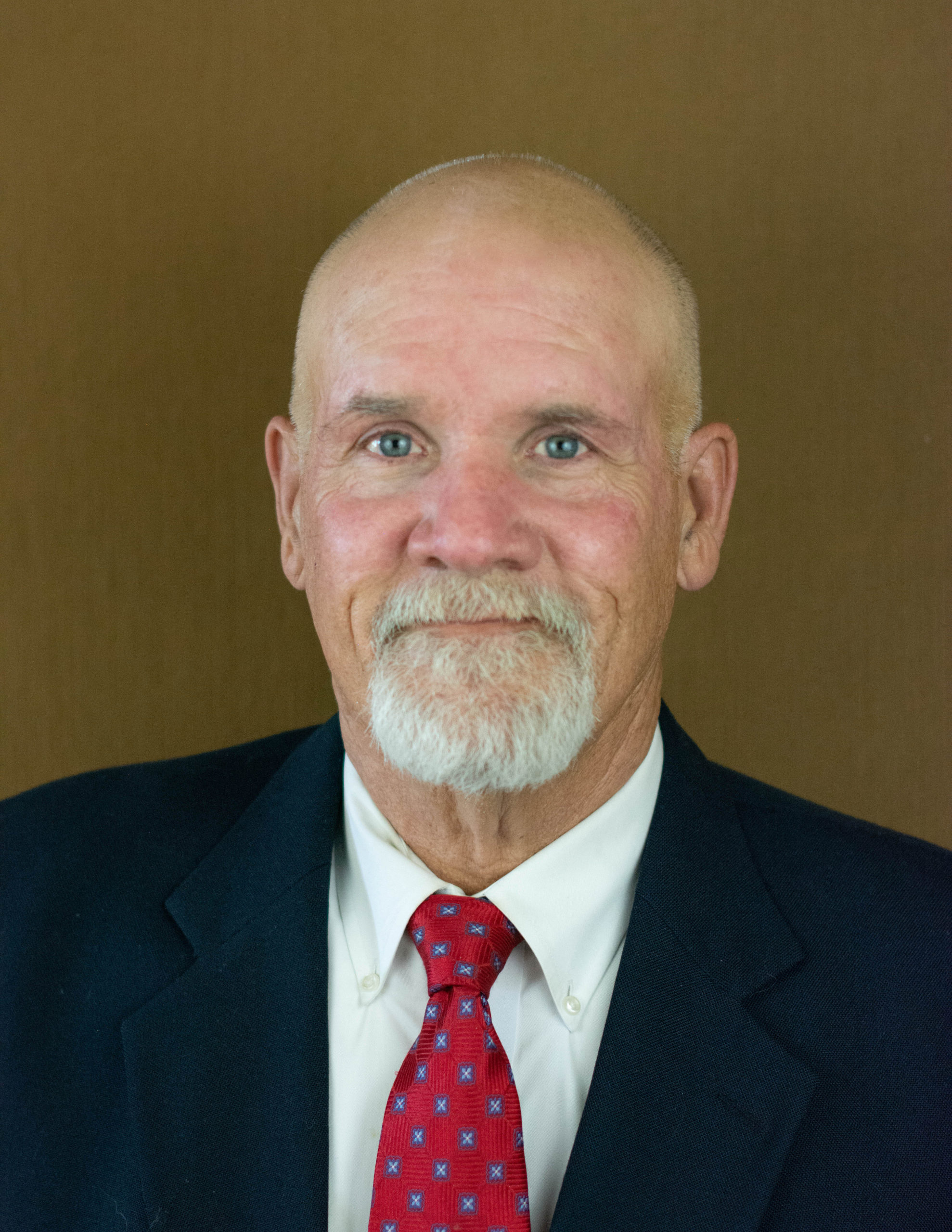
Dusty Roach
Dusty Roach is a safety professional based in Midland. He is also a public speaker on subjects of leadership and safety, and he maintains a personal website at dustyroach.com.